




Entuziast Blog
0
91
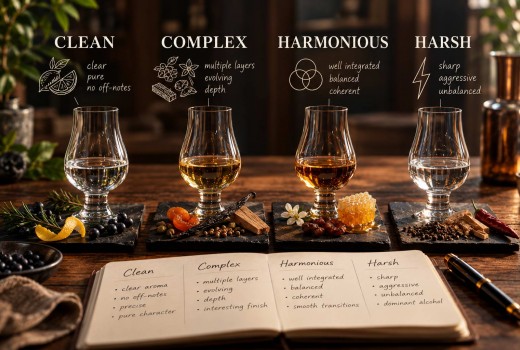
In tasting notes for strong spirits, certain words appear again and again.
They sound familiar — but in practice, different people may use them slig..
0
84
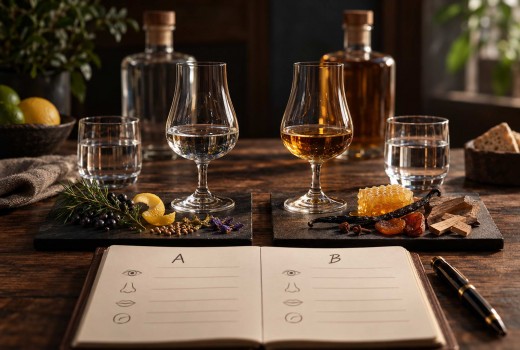
Comparing two strong spirits seems very simple.
Pour the first.
Taste it.
Pour the second.
Then choose the one you like more.
But if you want to..

0
95
During a tasting of strong spirits, the same situation happens surprisingly often.
The first sip feels:
sharp;
hot;
alcohol-forward;
..
0
87
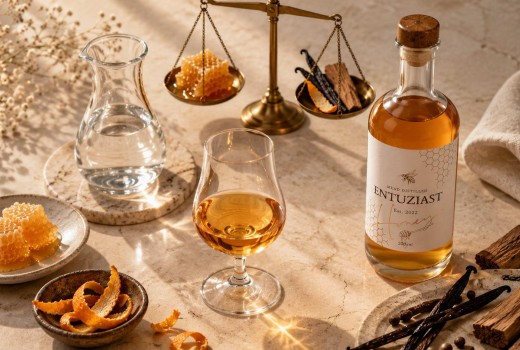
The word “balance” appears constantly in tasting notes.
“A well-balanced gin.”
“A harmonious aged distillate.”
“The alcohol is well integrated.”
..
0
98
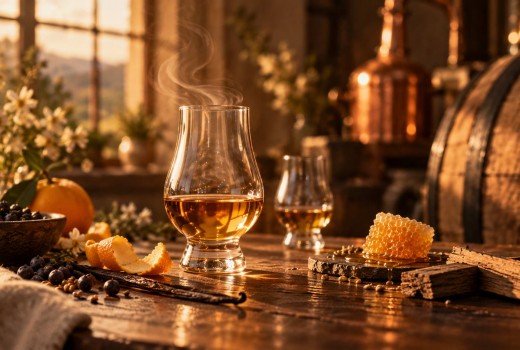
When tasting strong alcohol, people often say things like “vanilla taste,” “citrus taste,” “honey taste” or “juniper taste.”
But technically, a larg..
0
106
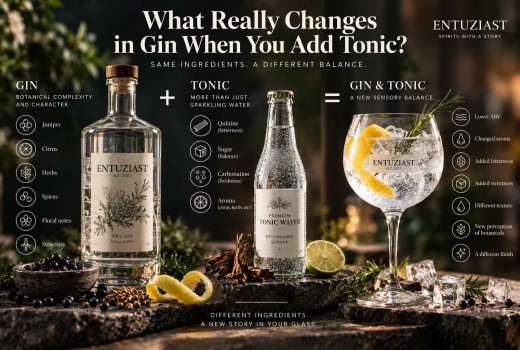
Gin & Tonic seems like a very simple drink.
Gin.
Tonic.
Ice.
Sometimes — a slice of lemon, grapefruit or another garnish.
But in reality, adding..
0
97
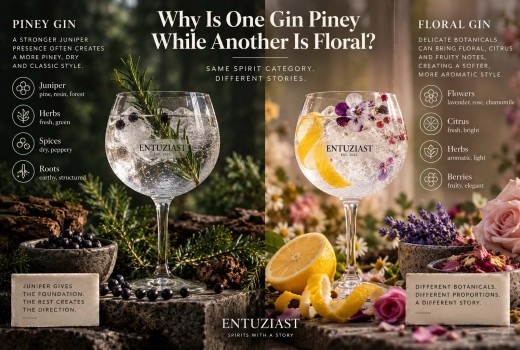
Gin is one of those spirit categories where two bottles can taste dramatically different even though both are still unmistakably gin.
One may smell ..
0
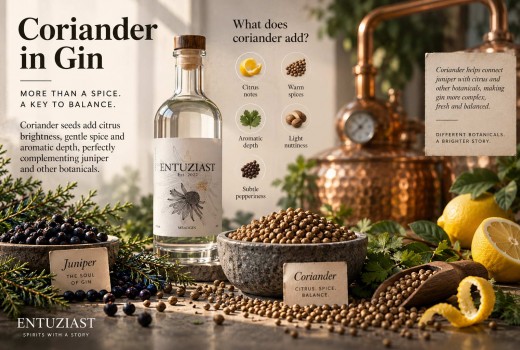
124
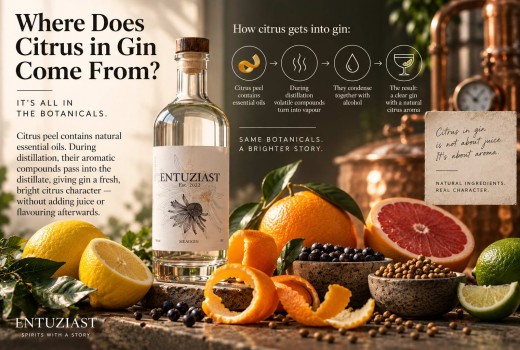
In a good gin, you can often clearly notice:
lemon;
orange;
grapefruit;
citron;
bergamot;
sometimes even mandarin or lime-l..
0
85
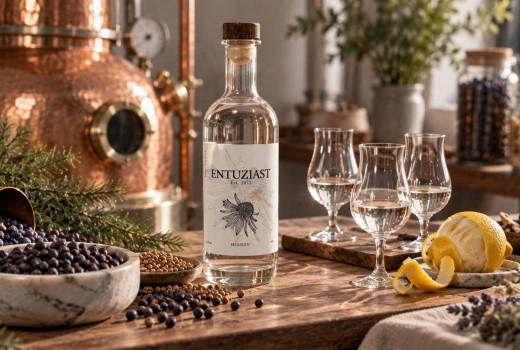
When people talk about gin, juniper is almost always the first thing they mention.
And that makes sense: juniper character defines the category itse..
0
87
On gin labels, you may see different terms:
Gin;
Distilled Gin;
London Dry Gin;
Dry Gin;
Craft Gin;
Contemporary Gin.
It ..
0
92
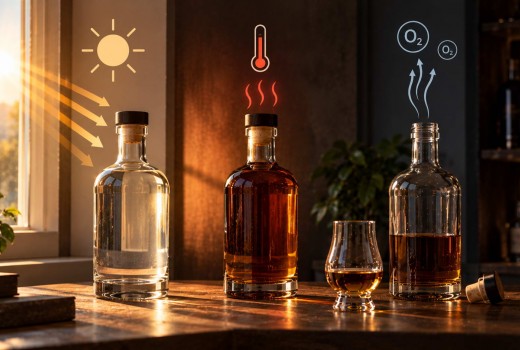
Strong alcohol seems like a very stable product.
A bottle can sit on a shelf for months or even years, and nothing appears to happen.
But that does..
0
97
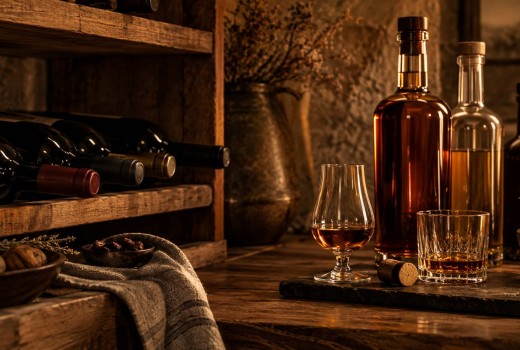
With wine, you often hear the familiar rule:
a bottle sealed with natural cork should be stored on its side.
Sometimes this advice is automatically..
0
100
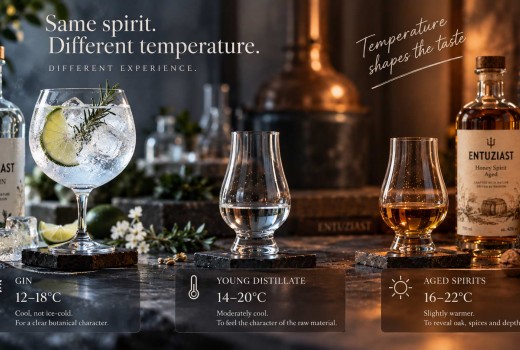
Temperature has a major effect on how we perceive alcohol.
The same drink can feel completely different at 5°C, 15°C and 22°C.
Cold suppresses arom..
0
90
You open a bottle of gin, whisky or distillate, pour a few glasses and put it back in the cabinet.
Six months later, you find it again.
Or a year l..
0
93
An opened bottle of strong alcohol can sit for months.
Sometimes — for years.
But that does not mean the drink remains completely unchanged the ent..
0
90
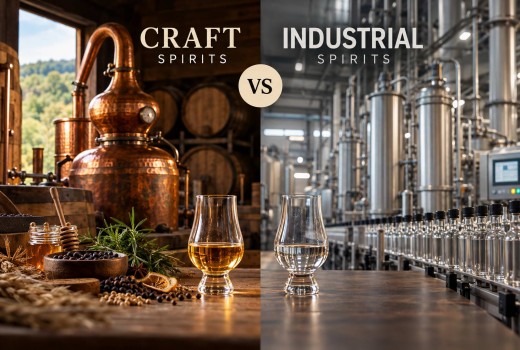
The word “craft” is everywhere today.
Craft beer.
Craft gin.
Craft distillate.
Craft liqueur.
Craft rum.
And it is very easy to start treating ..
0
91
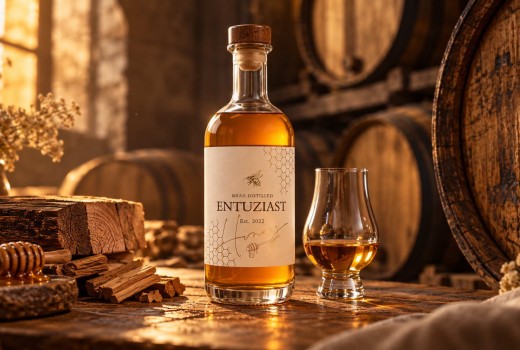
On a bottle of aged spirits, the age statement can look very convincing.
3 years.
8 years.
12 years.
18 years.
And it is easy to come to a simpl..
0
99
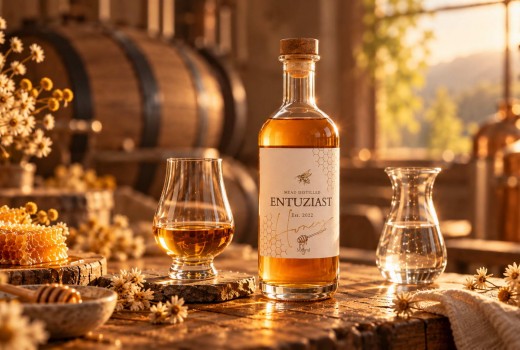
On the label of a strong alcoholic drink, there is almost always one number people notice immediately.
40%.
43%.
46%.
50%.
And very often, that ..
0
89
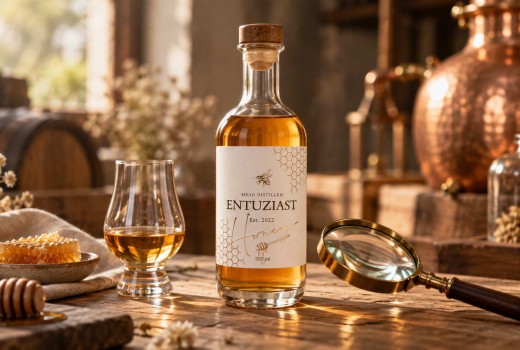
A bottle of strong alcohol may contain dozens of words, numbers and designations.
Brand name, type of drink, strength, volume, country of origin, in..
0
98
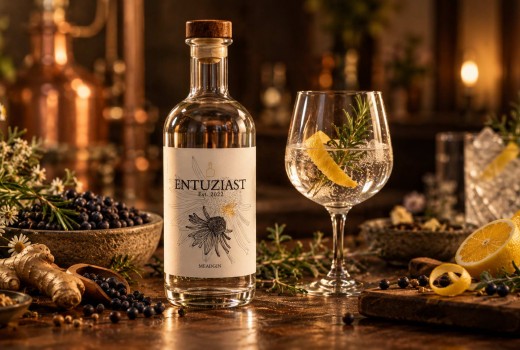
On a store shelf, gin may seem like a fairly simple category.
There is a clear bottle, the word Gin on the label, an alcohol strength somewhere arou..
0
82
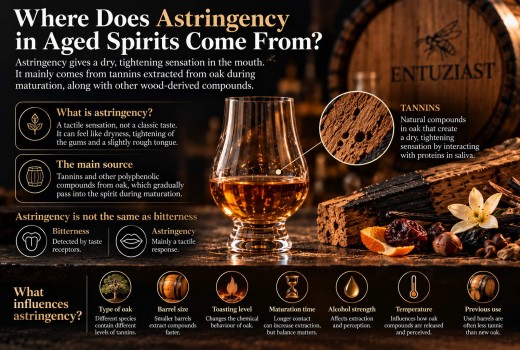
You take a sip of an aged distillate and notice an unusual sensation.
The mouth seems slightly drier.
The tongue and gums feel as though they have ..
0
88
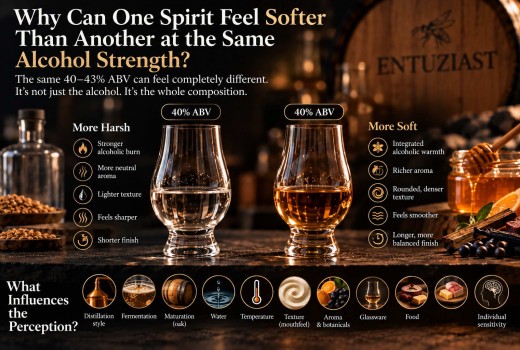
Two bottles show the same number on the label.
For example — 40%.
Or 43%.
You take a sip of the first drink, and it feels sharp, burning and stron..
0
110
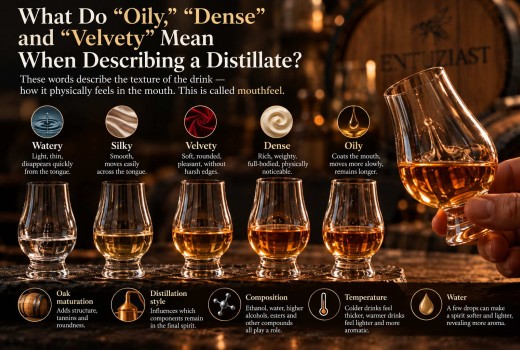
When tasting strong spirits, you may hear some strange-sounding words.
“Oily.”
“Dense.”
“Velvety.”
“Silky.”
“Watery.”
But there is no cooking o..
0
91
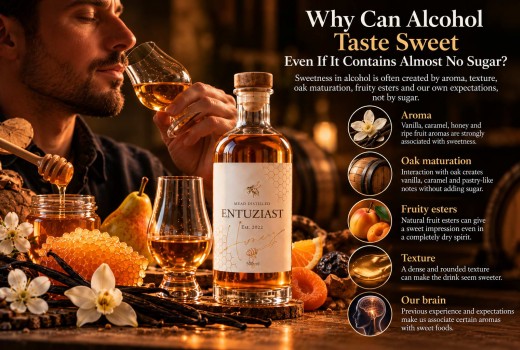
You take a sip of a distillate and think: “It tastes slightly sweet.”
Then you look at the ingredients and see no sugar, no syrup and no honey added..