





How Honey Affects the Aroma and Taste of Distillate
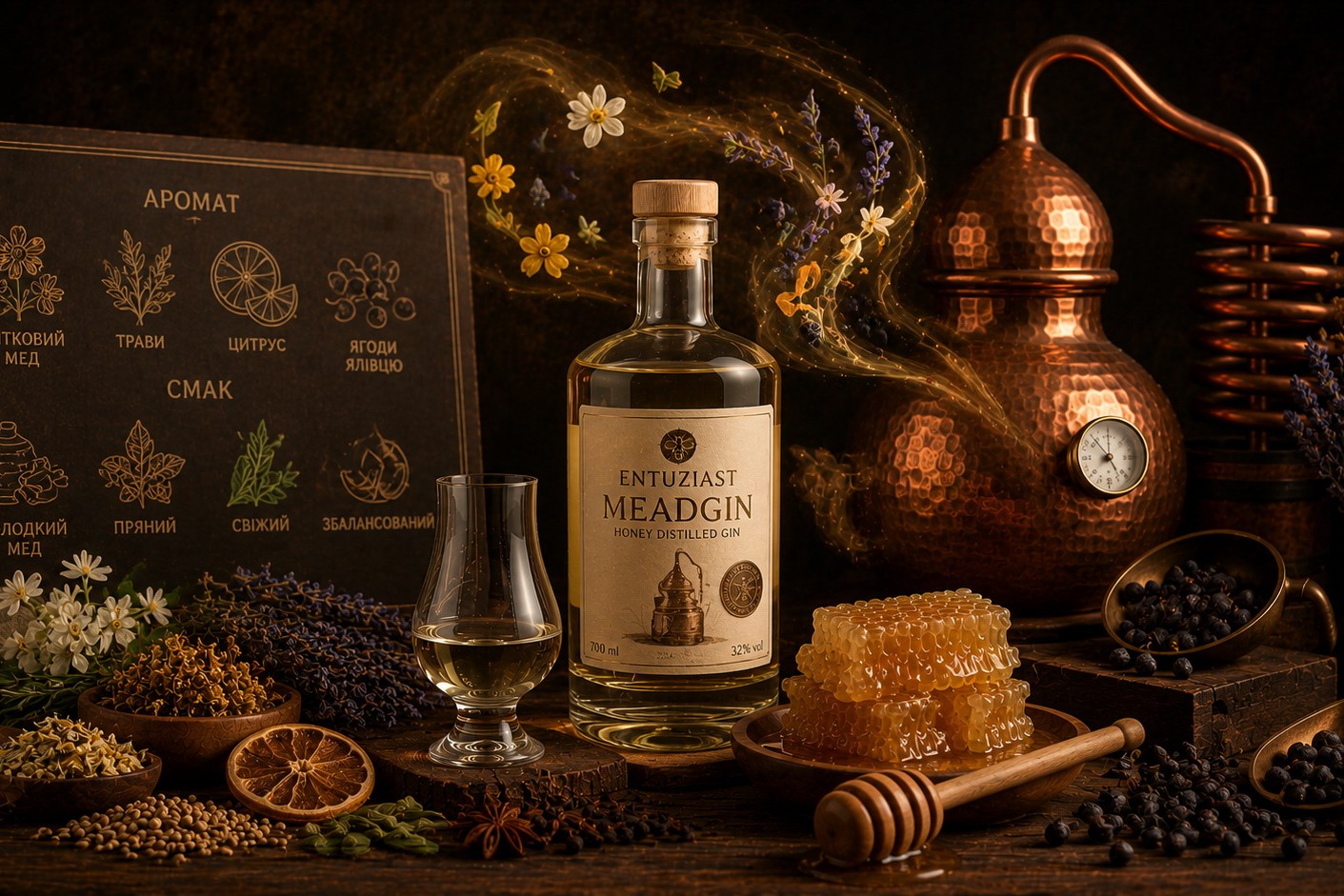
When people first hear the phrase “honey distillate,” they often imagine a sweet drink with a distinct honey flavor. However, a true spirit made from fermented honey wort reveals a much more complex profile. It can be dry, spicy, floral, waxy, fruity, or even mineral-like, bearing no resemblance to ordinary honey syrup.
In this beverage, honey does not function as a sweetener added after production. It serves as a full-fledged raw material: its natural sugars undergo fermentation, the resulting alcohol is distilled, and its aromatic character gradually evolves at each stage.
That is precisely why the taste of honey distillate depends not only on the original honey. It is influenced by the composition of the wort, the activity of the yeast, the fermentation temperature, the equipment, the selection of fractions, maceration, blending, and aging in oak.
Honey as a Base, Not a Flavoring Agent
There is a fundamental difference between a strong beverage to which honey has been added and a distillate in which the alcohol was obtained from fermented honey.
In the first case, honey directly influences the sweetness, body, and aroma of the finished product. Its flavor is often easily recognizable, as the natural sugars remain in the beverage.
In a honey distillate, the process is different. Honey is dissolved in water to create a mash, after which yeast converts the sugars into alcohol. The resulting fermented base undergoes distillation.
As a result, the finished spirit is not simply strong honey. It is a new product that retains the aromatic profile of the raw material but has a different structure, strength, and character.
Why honey distillate isn’t necessarily sweet
The sweetness of natural honey comes from sugars. During alcoholic fermentation, a significant portion of these sugars is converted by yeast into ethyl alcohol and other fermentation byproducts.
During distillation, non-volatile sugars do not carry over into the finished spirit along with the alcohol vapors. That is why pure honey distillate can remain completely dry, even if its aroma evokes associations with honey, wax, or honeycombs.
A person can perceive a “honey-like” quality without literal sweetness. This is due to the aroma, the smooth texture, warm floral notes, and familiar associations that the brain links to natural honey.
Thus, a dry taste and a honey aroma are not mutually exclusive. On the contrary, it is precisely this combination that often becomes one of the most interesting characteristics of honey spirit.
What aromas can honey convey?
Natural honey does not have a single, universal scent. Its aroma profile depends on the plants from which the bees collected nectar, the region, the season, and storage conditions.
The raw material may exhibit:
- floral and meadow notes;
- aromas of herbs and dry hay;
- wax and honeycomb;
- fruity and citrus undertones;
- a light caramel note;
- spicy or woody associations;
- nutty and grainy nuances.
After fermentation and distillation, these notes do not remain unchanged. Some disappear, others transform, and certain nuances become more pronounced due to the concentration of volatile components.
How Fermentation Changes the Honey Aroma
Fermentation is the first major transformation of the raw material. Yeast not only produces alcohol but also forms new aromatic compounds.
Fruity, floral, bready, spicy, and other nuances may emerge in the honey wort that were not as pronounced in the honey itself. At the same time, part of the original aroma changes or becomes less noticeable.
The fermentation temperature is particularly important. With a stable, controlled process, the aromatic profile can remain clean and balanced. Excessively high temperatures or unstable yeast activity can create harsh notes that will carry over into the distillation process.
That is why the flavor of honey distillate begins not in the still, but already in the fermentation vat.
The Role of Yeast in Shaping the Flavor
Yeast is not merely a technical tool that converts sugar into alcohol. Different strains can work at different rates, tolerate varying alcohol levels, and create distinct flavor profiles.
During fermentation, esters, higher alcohols, acids, and other components are formed. When properly balanced, they can evoke notes of fruit, flowers, spices, pastries, or fresh bread.
If fermentation does not proceed correctly, the wort may develop harsh, sulfurous, overly acidic, or other undesirable notes.
Therefore, even the same honey can yield different results depending on the yeast strain selected and the conditions under which it is used.
What Happens to the Aroma During Distillation
Distillation separates the components of the fermented base according to their volatility. Alcohol and some of the aromatic compounds turn into vapor, then cool and become liquid again.
However, the components emerge at different times. At the beginning of distillation, lighter and sharper compounds predominate; in the middle, the most balanced portion emerges; and at the end, heavier and oilier notes appear.
The master distiller determines which fractions to retain for the final beverage. If the selection is too narrow, the spirit may become pure but lose its character. If it is too broad, the spirit will develop a harshness.
The challenge is to preserve the honey-derived character while removing unwanted components.
Why is the aroma of wax often associated with honey distillates?
Wax is one of the most common associations in tasting descriptions of honey spirits. This does not mean that beeswax was directly added to the drink.
This impression may arise from a combination of warm, floral, slightly oily, and faintly sweet aromatic notes. Together, they resemble the scent of fresh honeycombs or an apiary.
After oak aging, the waxy profile can become more complex, blending with vanilla, wood, dried fruit, and spices.
It is precisely these multi-layered associations that distinguish a craft distillate from a beverage with a simple added honey flavor.
Where Do the Honeycomb Notes Come From?
The aroma of honeycombs is often perceived as a combination of honey, wax, the warmth of propolis, and a slight woody dryness. In the distillate, it may arise from the complex profile of the fermented raw materials.
It is not a single substance that can be easily isolated. Rather, it is a tasting association formed by several aromatic components at once.
In berry-based or aged beverages, the honeycomb note may linger in the finish, complementing vanilla, blackthorn, apple, or spices.
Why honey spirits may have notes of bread and grain
Bread and grain notes can develop at various stages. Some of them arise during fermentation, when the action of yeast creates associations with dough, baked goods, or fresh bread.
Maceration of sprouted wheat can also have an additional effect. In this case, the honey distillate acquires more pronounced grain notes.
In terms of flavor, they may resemble:
- white wheat bread;
- flour or wheat dust;
- the soft crust of baked goods;
- grain;
- butter.
These notes round out the drink and create an interesting combination with the honey base.
Where Does the Creamy Character Come From?
A creamy character in a strong distillate does not necessarily mean the presence of dairy components. It can be an impression created by the texture and the combination of soft aromatic notes.
The honey base, a careful selection of fractions, grain nuances, and the right alcohol content can evoke associations with butter or a creamy roundness.
This sensation is more often felt not in the initial aroma, but in the mid-palate and finish. It softens the warmth of the alcohol and makes the composition more cohesive.
Why a honey distillate can be spicy
Honey itself can have herbal and spicy notes, but after fermentation, distillation, and aging, these notes can develop much more intensely.
The spiciness may resemble:
- white or black pepper;
- warm spices;
- vanilla;
- dried herbs;
- woody spice;
- juniper and other botanicals.
The spicy character may come from the fermented base itself, copper distillation, maceration, or contact with an oak barrel.
Minerality in the flavor of honey distillate
The term “mineral” is often used in tasting notes to convey a sensation of dryness, purity, cool freshness, or a slight stony note.
This does not mean that minerals are literally detectable in the drink. It refers to a general sensory association.
In an aged honey distillate, minerality can balance out the warm notes of wax, honey, vanilla, and spices. Thanks to this, the drink does not become overly sweet or heavy.
How Oak Changes the Honey Profile
After distillation, honey spirit can remain clear or be transferred to an oak barrel for aging.
During aging, the original honey, floral, and waxy notes are joined by hints of wood, vanilla, spices, dried fruit, and the barrel’s previous contents.
The drink doesn’t just become more aromatic. Its structure changes: sharp components gradually integrate, the texture becomes rounder, and the finish lengthens.
It is important that the oak complements the honey rather than completely overpowering it. If only the woody notes remain in the finished product, the honey’s unique character is lost.
The Influence of Wine Barrels
Barrels previously used for red, white, or fortified wines add another layer of complexity to the honey base.
French oak from Tempranillo and Garnacha can impart dark fruit, winey, vanilla, and spicy notes. An Oloroso cask brings dried fruits, nuts, and a dry, wine-like depth. Sauternes adds floral notes, ripe fruits, and honeyed, dessert-like associations.
This doesn’t mean the finished distillate literally tastes like wine. The influence is more subtle and manifests through additional nuances in the aroma and finish.
How Honey Pairs with Apple Spirits
Honey distillate has a rounded and warm character, while apple spirits can add freshness, baked apple, and natural fruity acidity.
In the right blend, the honey does not mask the apple, nor does the apple overpower the honey base. One component provides softness and depth, while the other forms the fruity core of the composition.
After oak aging, this blend may develop notes of wax, wood, vanilla, spices, and wine.
This is precisely the principle behind the complex profile of Honey Spirit Apple.
How Honey Works in Gin
In classic gin, juniper plays the leading role. The honey base should not overwhelm its dry, coniferous, and spicy character.
Honey distillate can give gin:
- a rounder texture;
- a soft aromatic background;
- a slight creaminess in the finish;
- a harmonious blend with citrus and berries;
- its own distinctive character.
In MeadGIN, juniper remains the dominant note, while the honey base complements the citrus, berry, or spicy profile.
Honey and Raspberry
Raspberries have a bright, fresh, and at the same time delicate aroma. When combined with honey distillate, their berry tartness is softened.
The honey should not turn the raspberry gin into a sweet liqueur. Its role is to support the berry, juniper, and spices, making the finish more rounded.
In MeadGIN Raspberry, fresh raspberry notes blend with the dry character of juniper, spices, and a soft raspberry-honey finish.
Honey and Blackthorn
Blackthorn has a natural tartness, a dark berry aroma, and a distinct astringency. The honey distillate helps balance these characteristics without masking the berry’s distinctive character.
After maceration and distillation, notes of berry jam, white pepper, and honeyed warmth may remain.
Further aging in a new barrel adds vanilla, wood, and honeycomb notes, creating a deeper profile.
How Alcohol Content Affects the Perception of Honey Notes
Alcohol content determines more than just the intensity of the alcoholic warmth. It influences how aromatic components dissolve and manifest during tasting.
At higher alcohol by volume, spicy, juniper, and aromatic notes may be more pronounced. A lower alcohol by volume can highlight berry notes, softness, and a lighter, sweeter character.
The right alcohol content should complement the character of a specific product. It should not overwhelm the aroma or make the drink watery.
That is why different ENTUZIAST products have different alcohol contents according to their specific recipes.
Why One Honey Distillate Differs from Another
Even when made from the same base ingredients, the finished beverages can have completely different characteristics.
These differences are influenced by:
- the specific batch of honey;
- the ratio of honey to water in the wort;
- the yeast strain;
- the temperature and duration of fermentation;
- the number of distillation stages;
- the type of columns and stills;
- the range of the heart fraction;
- maceration of berries, grains, or botanicals;
- oak aging;
- blending and final aging.
That is precisely why honey distillate is not just a single, fixed flavor category, but an entire field for creative expression.
How Honey Unfolds in ENTUZIAST Products
In the ENTUZIAST collection, the honey base showcases several different styles.
Honey Spirit Pure focuses on the purity of the distillate. In it, honey blends with light notes of wheat dust, white bread, and butter.
Honey Spirit Aged demonstrates how honey interacts with triple distillation, French and Ukrainian oak, and a finish in an Oloroso cask. The aroma features notes of wax, honey, spices, vanilla, and a light, fresh minerality.
Honey Spirit Apple combines a honey base with apple spirits, baked apples, wood, and a finish aged in Sauternes.
In the MeadGIN line, the honey distillate serves as the base for juniper, citrus, raspberry, blackthorn, and botanicals. It does not take center stage in the gin but adds its own texture and aftertaste.
How to Taste Honey Distillate
When tasting, don’t immediately look for the taste of sweet honey. Start with the overall aroma and pay attention to the more subtle notes.
In this clear spirit, these might include:
- flowers;
- wax;
- honeycomb;
- white bread;
- grain;
- creamy notes.
In an aged spirit, look for additional notes of vanilla, spices, oak, dried fruit, and wine-like nuances. In gin, look for juniper, citrus, or berries against a soft, honeyed backdrop.
Let the drink breathe in the glass for a moment. The initial sharp alcoholic aroma will gradually fade, revealing more subtle nuances.
Why Not Everyone Perceives the Same Notes
Tasting descriptions aren’t a mathematical formula. Everyone has their own aromatic memory and may describe the same sensations differently.
What one taster describes as wax, another might perceive as honeycomb or a warm floral note. To some, wheat bread might evoke baked goods, while spice might bring to mind white pepper or dried herbs.
The key is not to try to identify every note in the description, but to observe your own perceptions and how the drink evolves in the glass.
Frequently Asked Questions About the Taste of Honey Distillate
Does honey distillate have to be sweet?
No. After fermentation and distillation, it can be completely dry but still retain aromatic associations with honey, wax, and honeycombs.
Why does the distillate taste like honey if the sugar isn’t distilled?
The honey-like character is created by volatile aromatic compounds and their transformations during fermentation and distillation, not just by sugar.
Where do the wax notes come from?
This is a complex tasting association that arises from the combination of warm, floral, slightly oily, and honey-like aromatic components.
Why might honey spirit taste like bread?
Bread-like notes can develop during fermentation, yeast activity, and additional maceration of grain-based raw materials.
How does oak change the honey flavor?
It adds vanilla, spices, woody notes, and dried fruit, and alters the texture, making the drink rounder and more complex.
Can you taste the honey in MeadGIN?
Yes, but usually as a soft aromatic background and a rounded aftertaste. The main notes remain juniper, citrus, or berries.
Why do different honey distillates taste different?
The final result is influenced by the batch of honey, fermentation, equipment, fraction selection, maceration, aging, and blending.
Honey without literal sweetness
In a honey distillate, the raw material unfolds differently than in regular honey. The sugars undergo fermentation, the aroma changes under the influence of yeast, and distillation leaves only a portion of the volatile components.
As a result, the finished beverage can combine dryness with a honey-like sensation, floral freshness with a waxy note, graininess with creaminess, and spiciness with minerality.
In ENTUZIAST products, honey serves as the foundation for a variety of stories: pure Honey Spirit, complex oak aging, an apple blend, or gin with juniper and natural berries.
It is precisely this ability to transform without losing its own character that makes honey one of the most interesting ingredients for modern craft distillation.